Conservation
Preserving Chillon for tomorrow
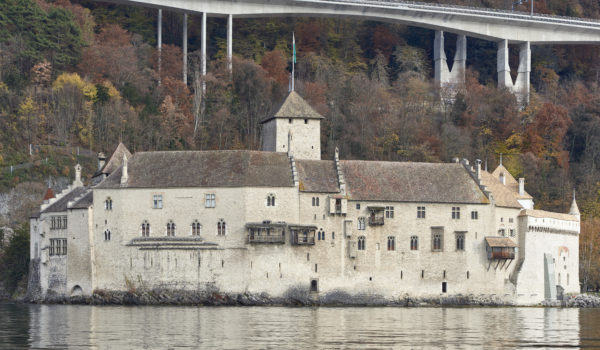
Protecting an almost thousand-year-old monument means being mindful of its history, materials and how it is used every single day. Since the 19th century, Chillon Castle has been undergoing constant conservation and restoration work, carried out by heritage specialists.
One particular challenge has been preserving the castle, while still keeping it alive for our visitors.
A living monument requires constant care
The effects of time, climate, building use and our visitors all naturally leave their mark on Chillon.
Preserving the castle means observing, documenting and intervening at the right time, all while respecting its history and the conservation principles surrounding built heritage.
Each intervention has the same goal: to pass Chillon down to future generations without erasing the traces of its past.
Conservation principles
Any interventions on a monument – which are living witnesses of the history of a region or a community – must follow specific rules, most notably those outlined in The Venice Charter (1964) by the International Council on Monuments and Sites (ICOMOS).
Conservation
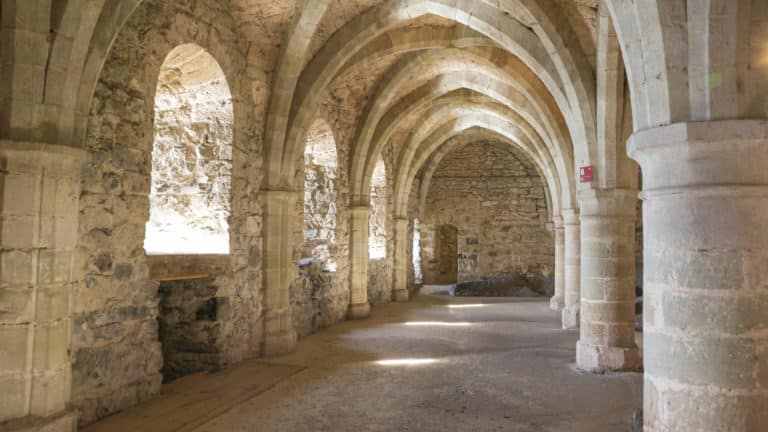
Conservation means taking all the necessary cultural, legal and political steps necessary to preserve a monument’s identity, substance and historical components over time.
Restoration
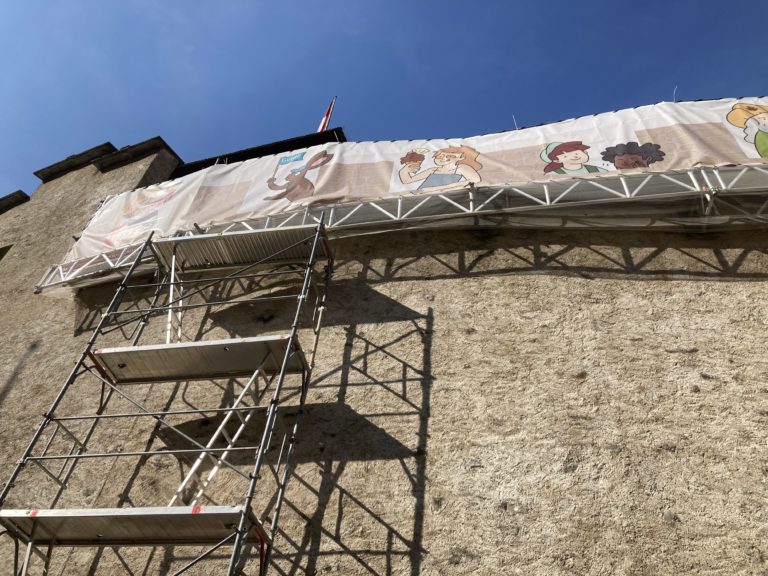
Restoration involves all the practical, constructive or technical measures which not only help preserve the monument, but also showcase it and adapt it to modern uses while retaining its identity. Restoring a monument should not be confused with renovating it. Renovation consists in refurbishing, often erasing all historical traces.
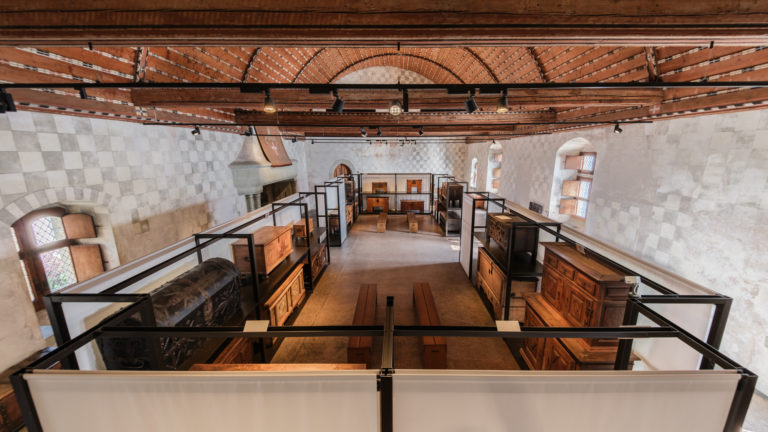
Rehabilitation
Rehabilitation of a monument means fully restoring it to its original context and usage within a social setting.
Our approach
1 Observing and documenting
Any deterioration is identified, logged and marked on the castle map.
2 Assessing priorities
Each scenario is analysed according to urgency and the needs of the monument.
3 Planning
Interventions are spread out over time in order to balance priorities, resources and various building work.
4 Works
Artisans, architects and specialists put in place tailored solutions that fully respect the heritage of the site.
How we manage works
The administrative side
Chillon Castle belongs to the Canton of Vaud and is entrusted to the Chillon Castle Foundation for management and conservation purposes.
The Foundation and the Canton of Vaud fund any works, led by a Commission since 1889, and the castle architect coordinates various specialists and suppliers. Experts guarantee best practice when it comes to restoration, while user representatives ensure that the monument continues to offer an enjoyable visitor experience.
After the major restoration project carried out by archaeologist Albert Naef, works were halted during the two world wars. Since the 1970s, various works have taken place to make up for lost time.
The heritage side
The castle experiences various forms of wear and tear: bad weather, visitor usage, ageing installations or changes in use. Each instance of damage is recorded in a database and marked on a castle map.
Depending on the level of urgency, damage can either be repaired quickly or grouped together for a larger project. This method helps to estimate costs and establish a five-year plan, arranging works according to priority and the Foundation’s budget.
Who takes care of Chillon?
Canton of Vaud
Owns the castle
They entrust the day-to-day management and conservation of the building to the Chillon Castle Foundation.
Technical Commission
Provides expertise
It has the necessary skills to support decision-making surrounding various works.
Chillon Castle Foundation
Leads on conservation
Coordinates interventions and manages the long-term preservation of the monument.
Architects, specialists and suppliers
Carry out the work
They put in place solutions that are tailored to the needs of the castle.
Works
Chillon, a constant work in progress
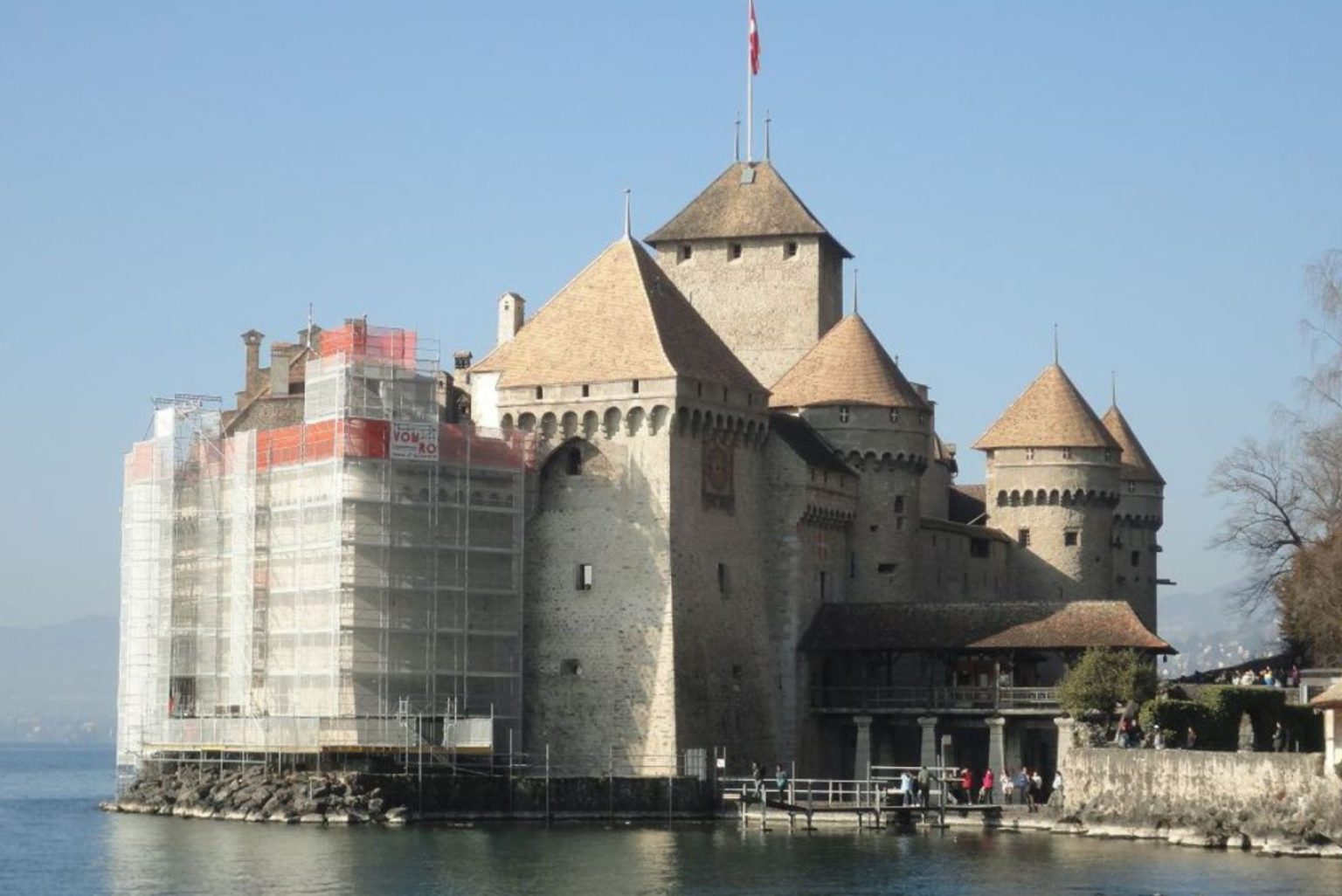
From day-to-day maintenance to major restoration projects, taking care of Chillon is a never-ending task. Interventions are phased to help preserve the monument while keeping the castle open to the public.
Workspace1 2013–2024
Lakeside facades
A major restoration project on the lakeside facades.
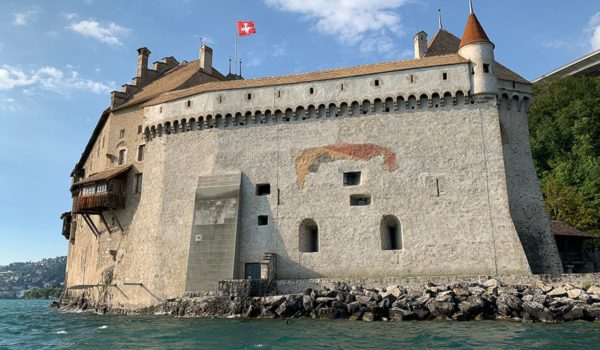
2 2017–2020
Grounds and Café Byron
Landscaping work, new outdoor lighting and construction of Café Byron to improve our visitor offering and the castle’s immediate surroundings.
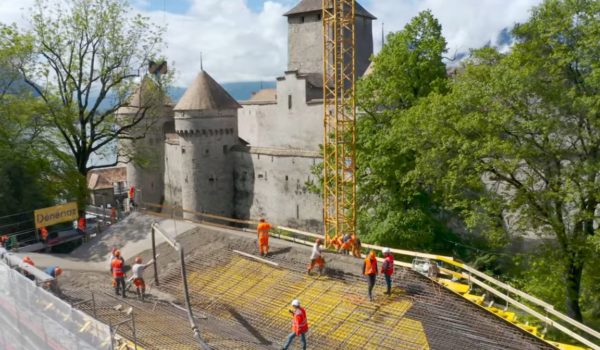
3 2024
Curtain walls and sentry walks
Restoration work on various elements of the monument.
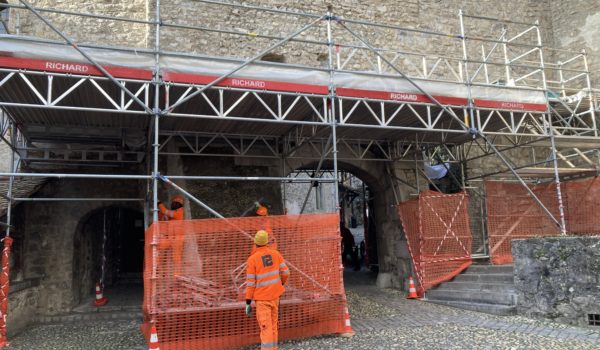
4 20270–2031
Latest restoration phase for the lakeside facades
The third phase in the restoration of the exterior facades, the continuation of work commissioned several decades ago.